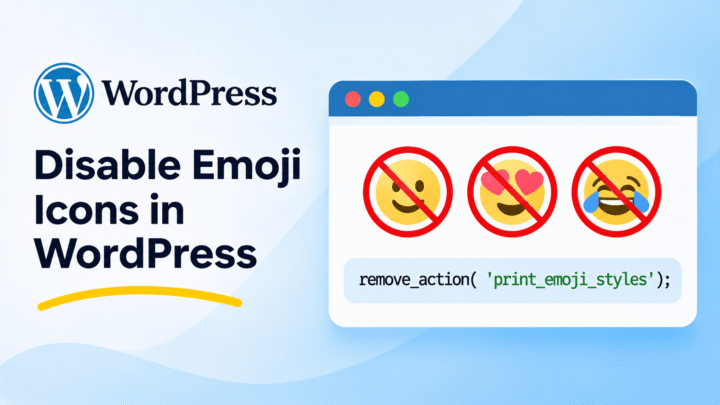
How to Disable Emoji Icons in WordPress Without a Plugin
WordPress includes built-in emoji support that allows visitors and content editors to use emoji characters in posts, comments, and other areas of…
WordPress includes built-in emoji support that allows visitors and content editors to use emoji characters in posts, comments, and other areas of…
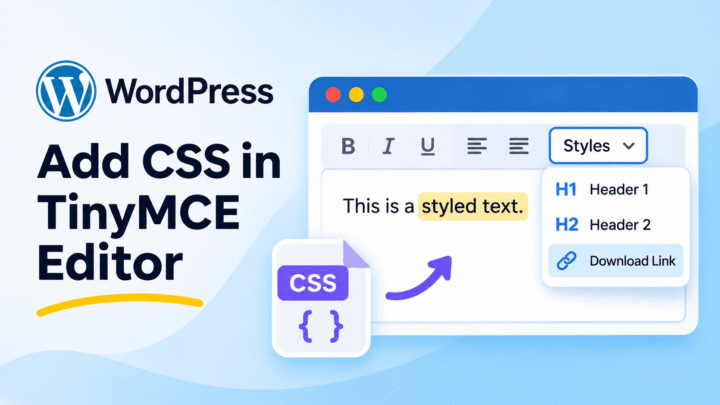
TinyMCE is the rich text editor used by the WordPress Classic Editor. It provides formatting options that allow users to add headings,…
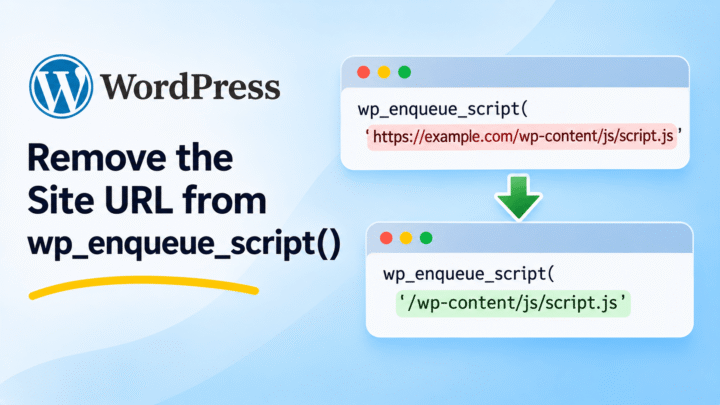
WordPress provides the wp_enqueue_script() function to load JavaScript files on your website. By default, WordPress generates script URLs using the site’s configured…
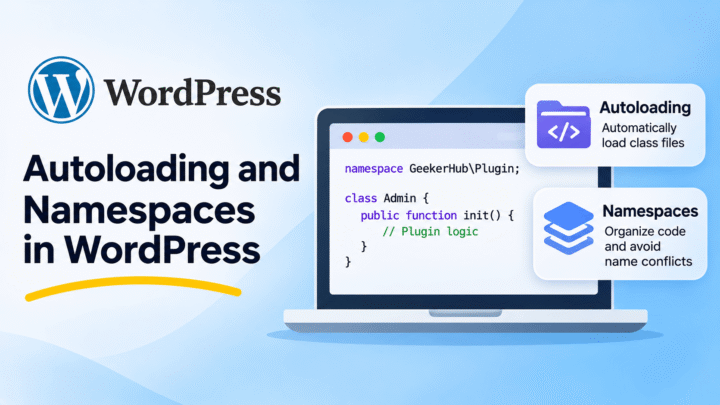
When developing a WordPress theme or plugin, you may create several PHP classes and functions. As a project grows, managing all these…
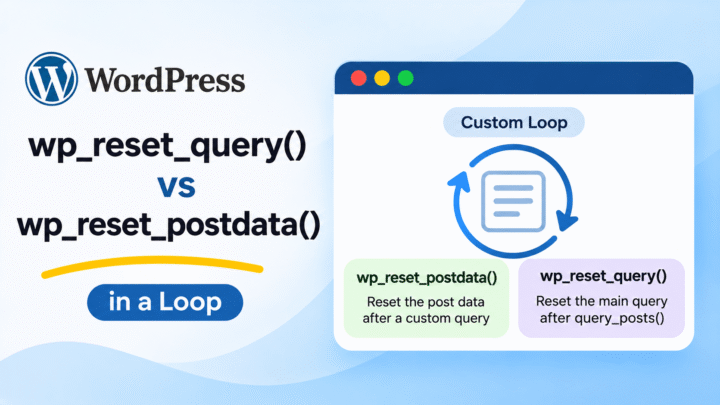
When working with WordPress loops, you may need to retrieve and display posts using a custom query. WordPress provides functions such as…
WooCommerce allows store owners to add multiple images to a product gallery. These images are displayed alongside the main product image on…
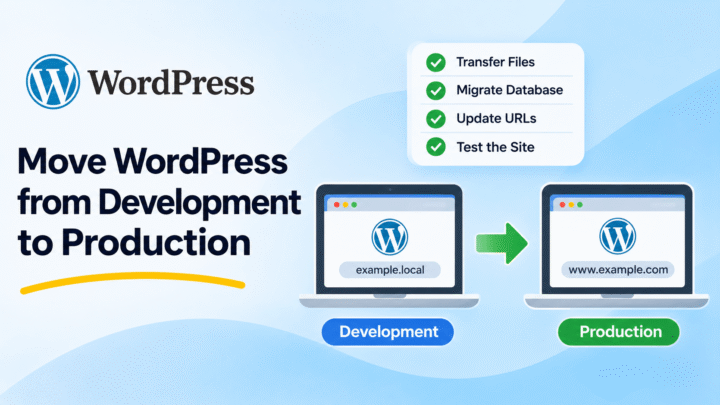
Moving a WordPress website from a development environment to a live production server is a common task for developers. You may have…
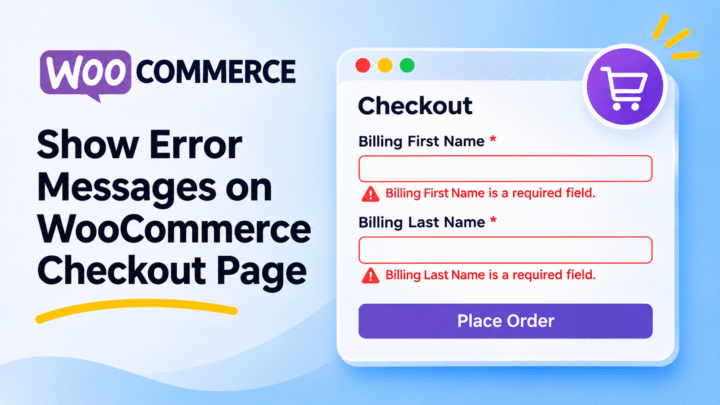
By default, WooCommerce displays checkout validation errors at the top of the page. Customers may find it difficult to identify which field…
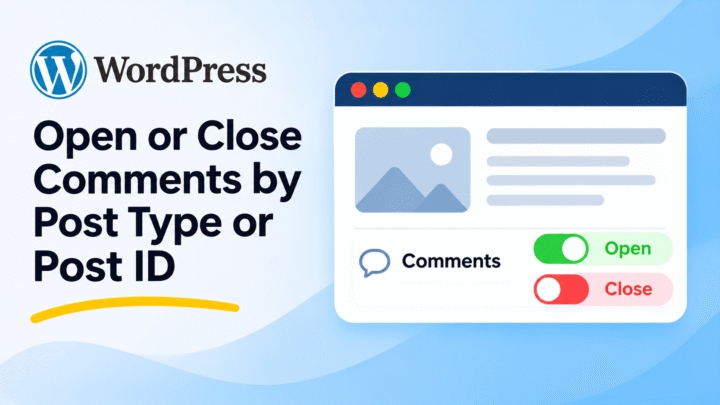
WordPress allows website owners to enable or disable comments on posts and pages. However, there may be situations where you want to…
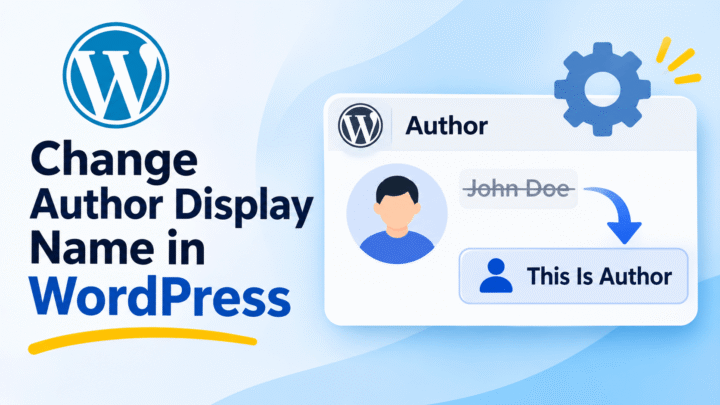
WordPress allows users to choose how their names appear on posts, pages, and comments. Sometimes, you may want to change an author’s…